Blog
I finished writing Illustrated Scales, so production of more articles for this blog has begun.
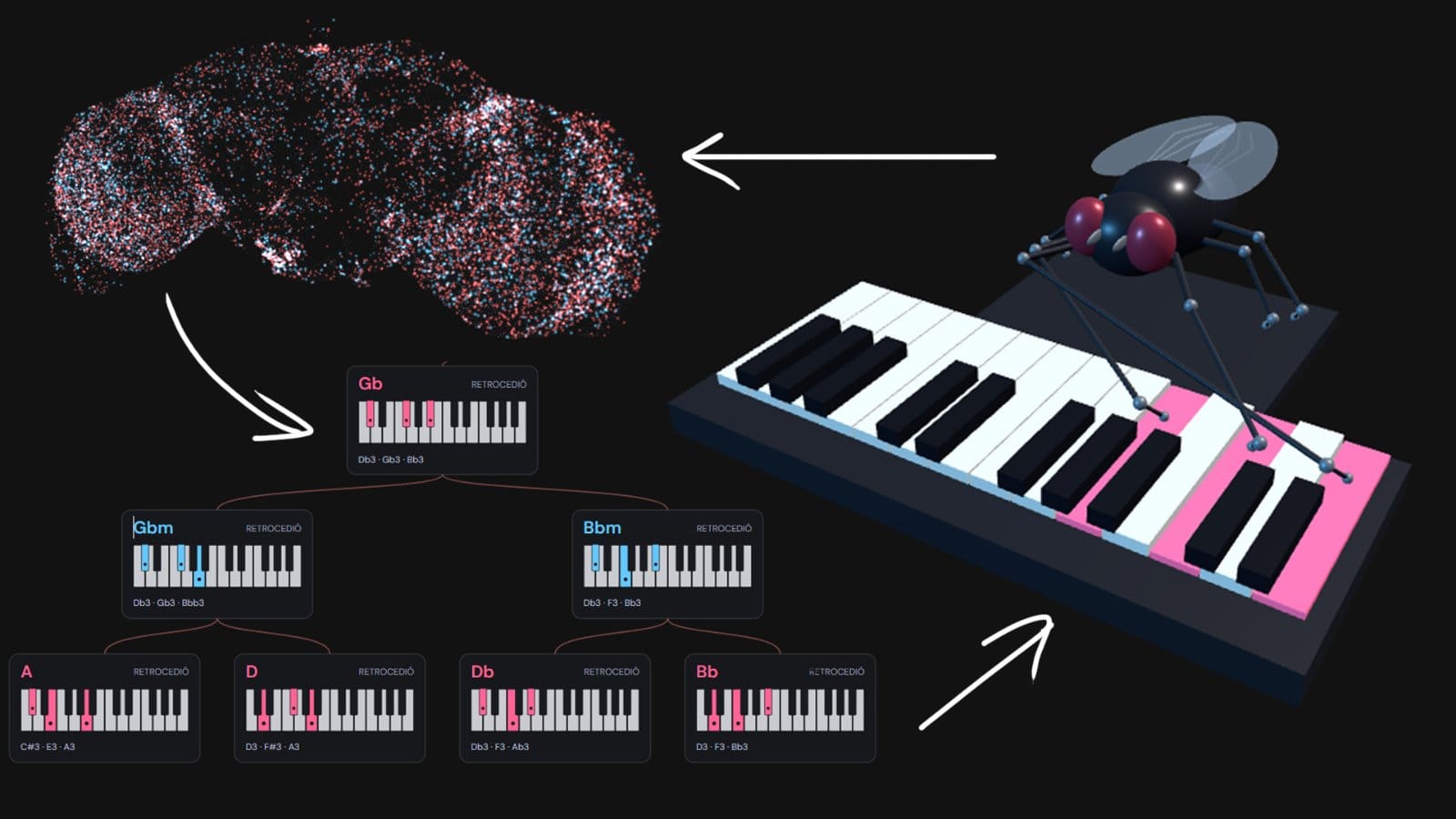
Composing with the Brain of a Fly (App)
Not long ago, a piece of news went viral among those of us who follow AI updates, a story that sounds like science fiction: researchers successfully scanned the complete brain of a fly, and now anyone can download it…
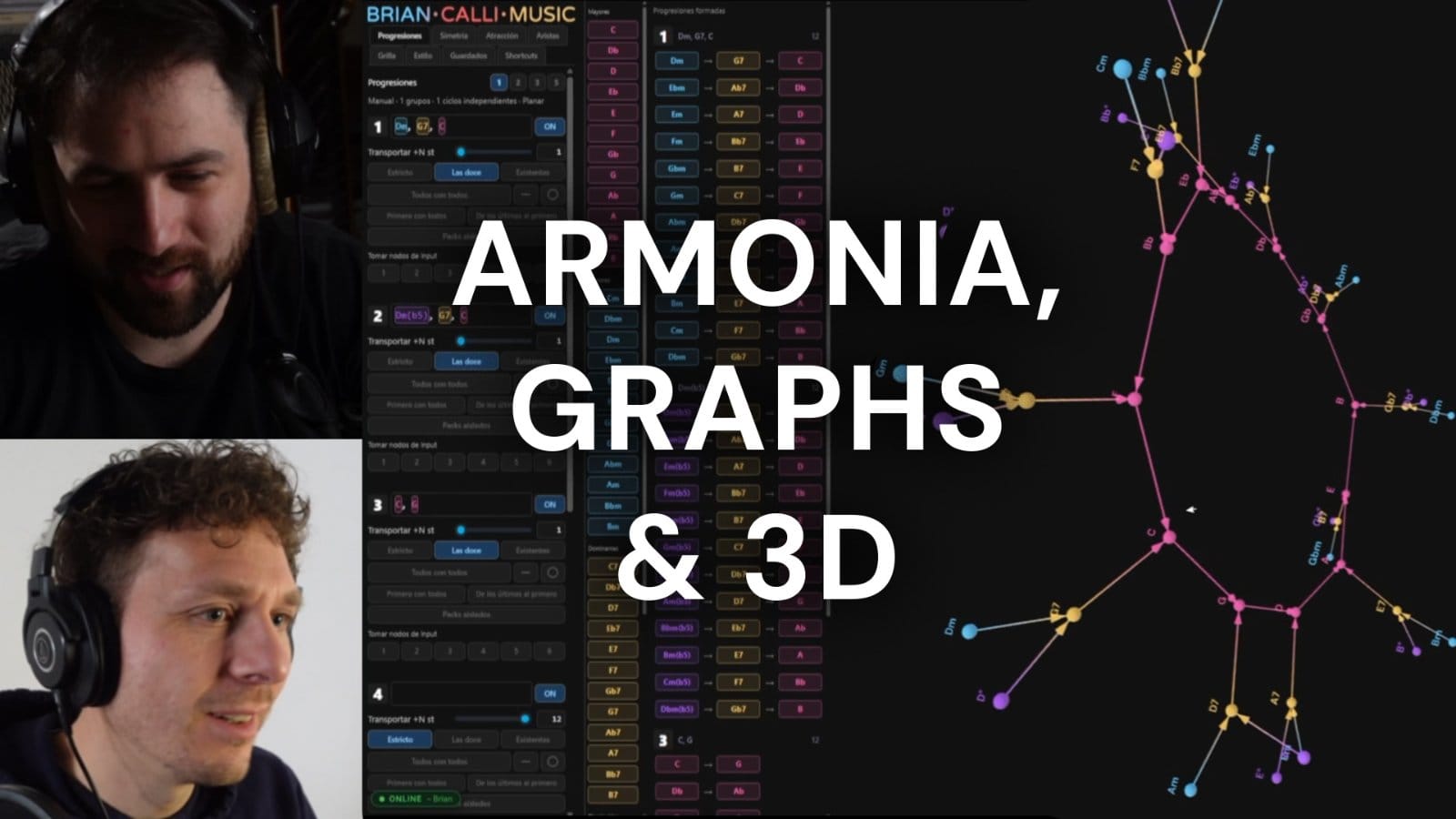
Harmony Talk and 3D Diagram Creation
A chat with Sebas Gómez showcasing an app that generates 3D graphs of chord progressions, conceived as a 3D evolution of the 2D mandalas we have already been creating. Chords or progressions are entered as text (e.g.:…
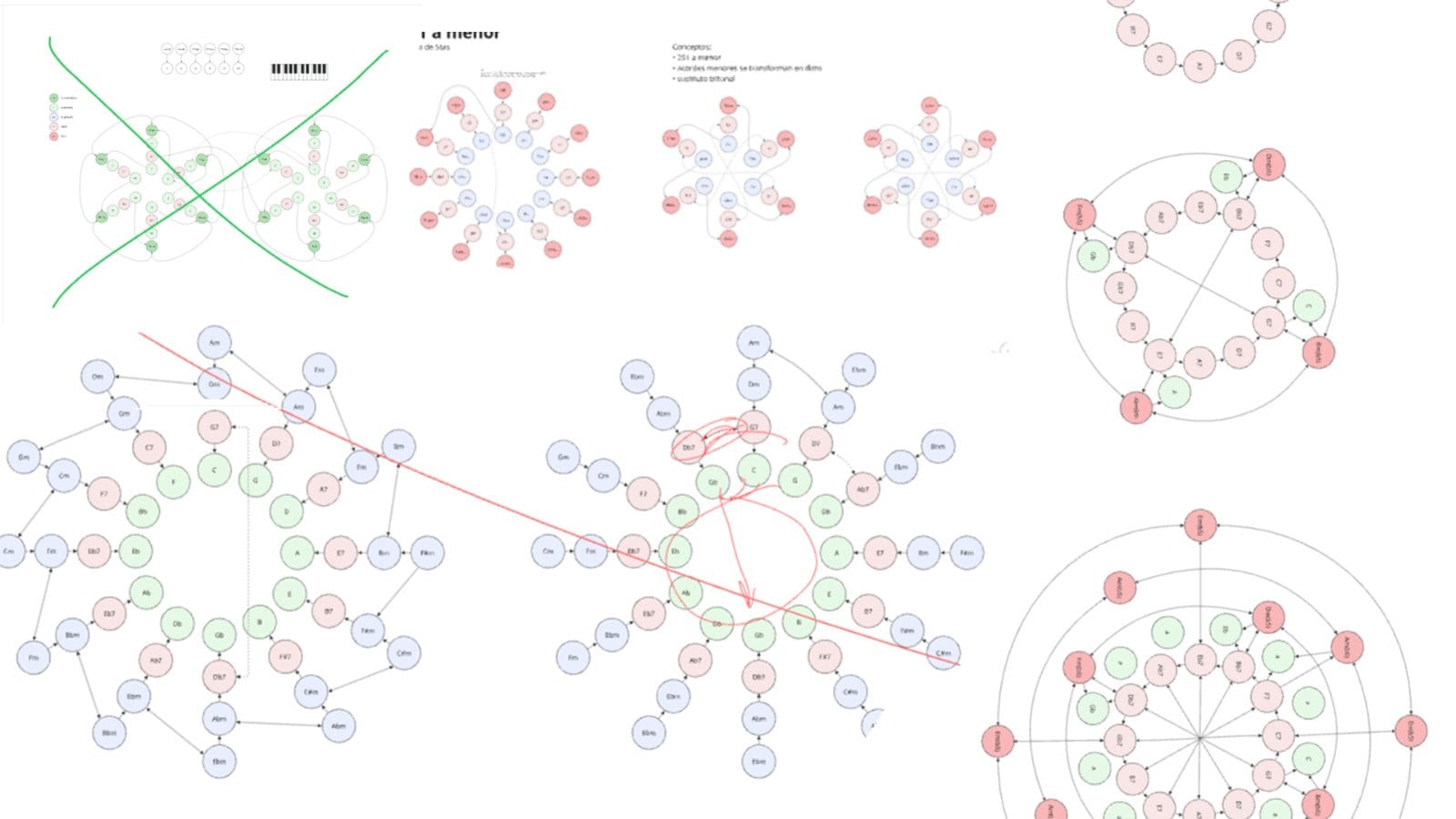
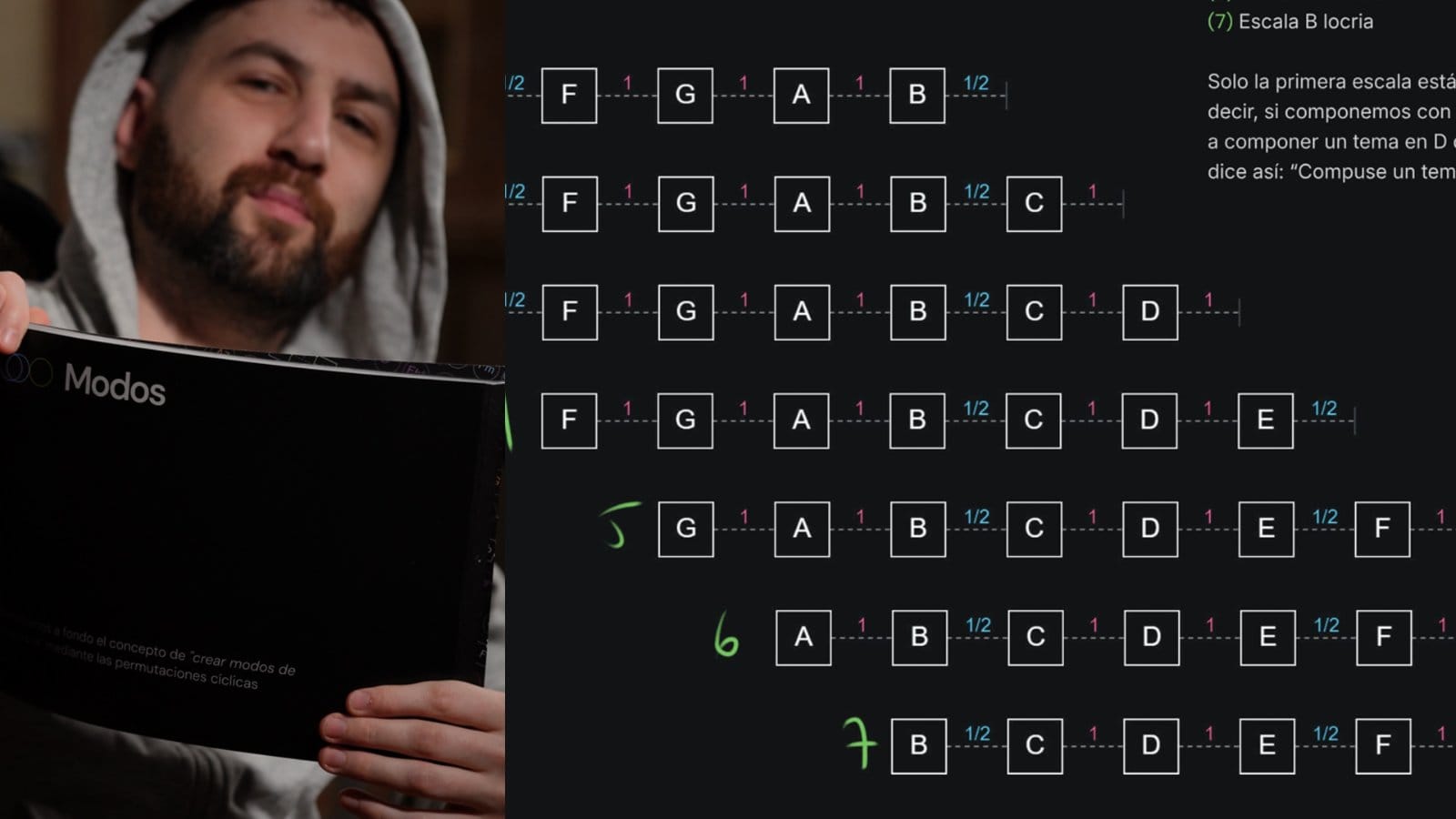
Illustrated Modes - Chapter 3
We continue with the reading of chapter number three of Illustrated Modes. This time we analyze the concept of "making modes" out of anything.
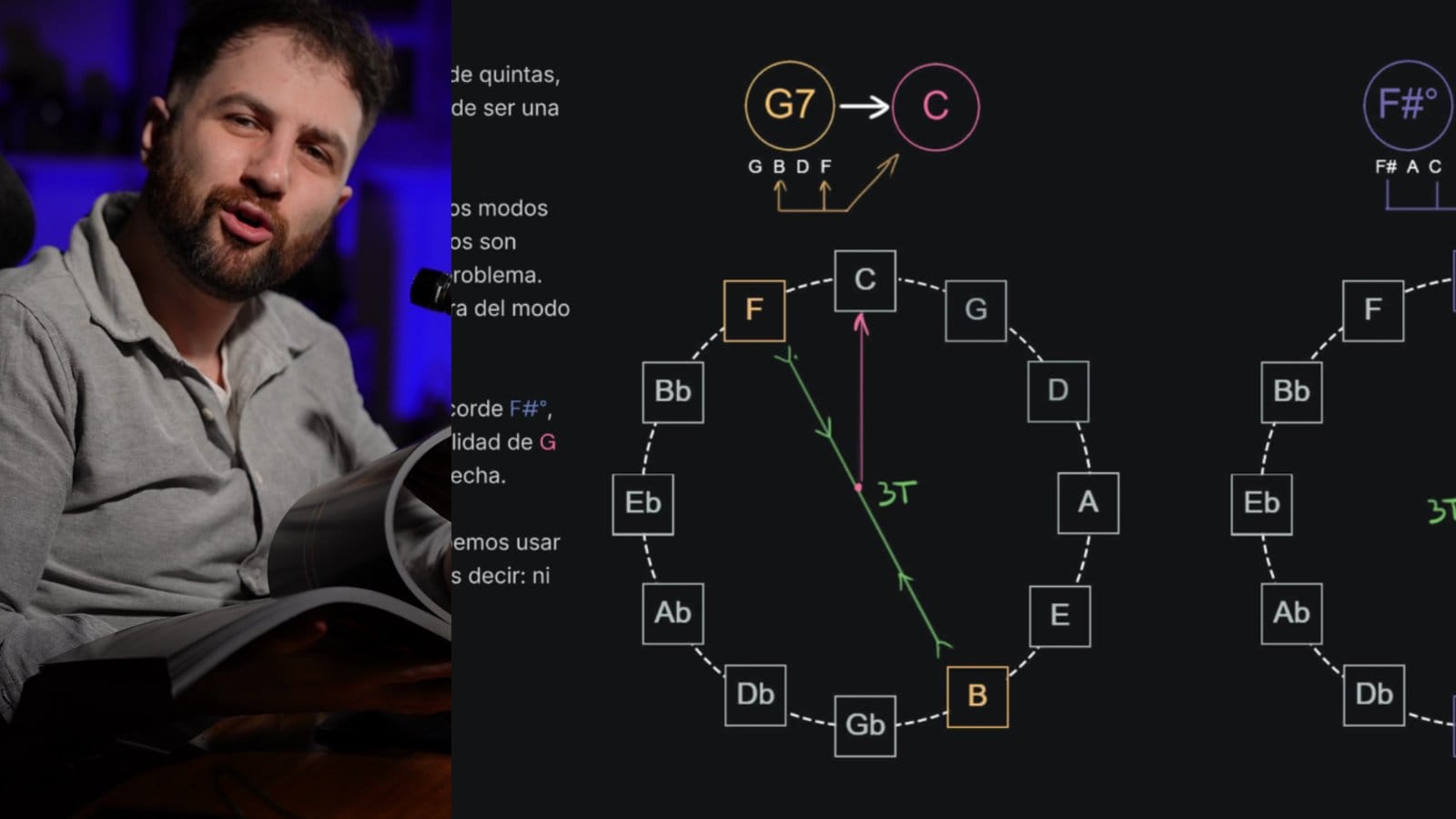
Illustrated Modes - Chapter 2
Step by step, chapter two of Illustrated Modes. We explain, from different perspectives and in greater detail, each of the pages. I hope you enjoy it.
Illustrated Modes - Chapter 1
Let's analyze the first chapter of Illustrated Modes. We'll go through it page by page, discuss some of the ideas behind it, answer additional questions, and much more.
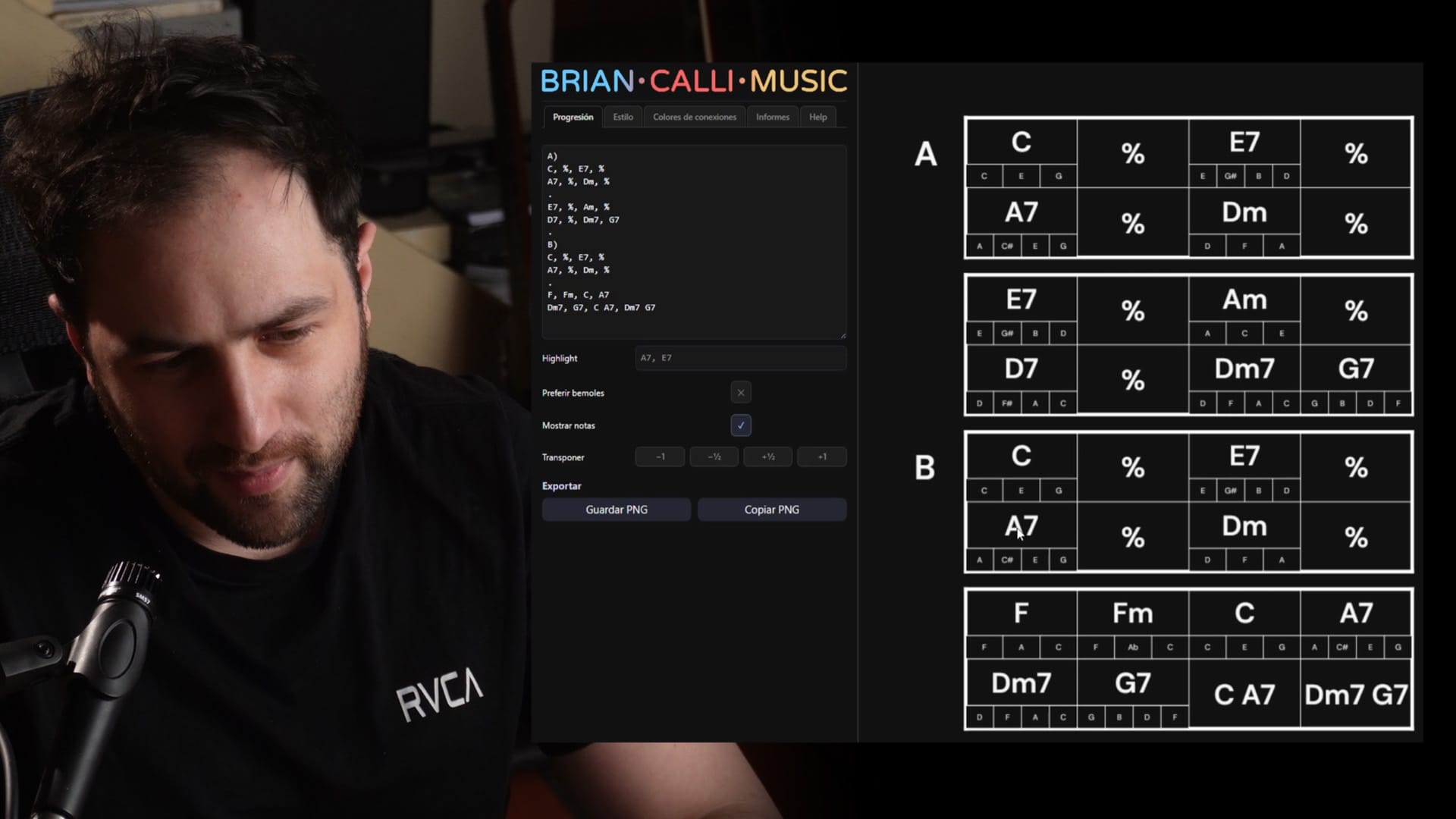
App for Graphic Design of Chord Progressions
Link to App I made a tool that converts chord progressions into clean, downloadable images. Simply type chords separated by commas and it updates in real time; the percentage indicates repetition. You can add sections,…
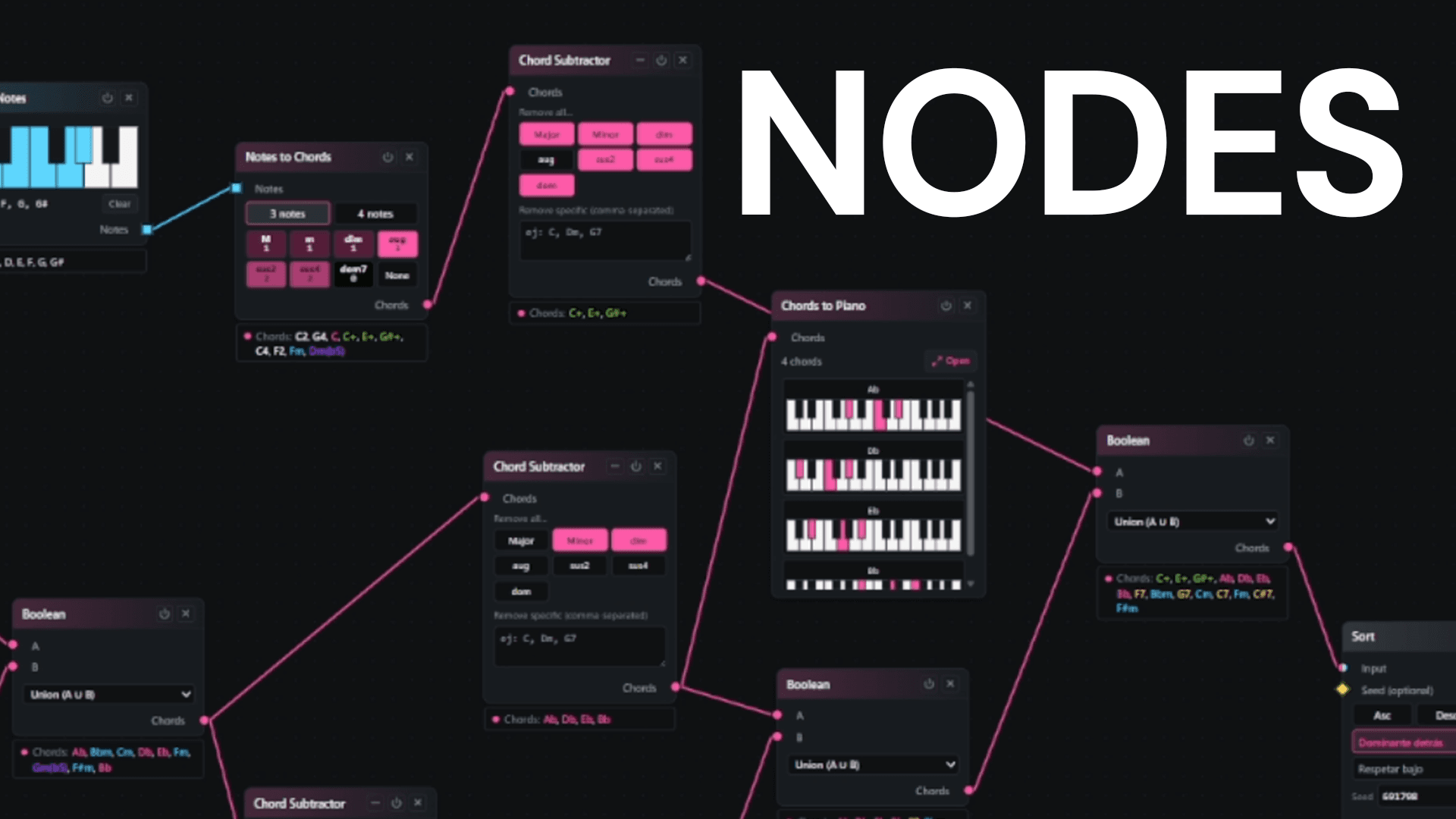
BCM Node Editor
I invented the first node editor for chords, procedural. Instead of writing chords one by one, you connect nodes: choose a key, add specific chords, and combine them with boolean operations (union, subtraction,…

Waltz in the Style of Dmitri Shostakovich with Neo-Riemannian Theory
In Illustrated Harmony 2 we dive into Neo-Riemannian theory (page 157). A major chord transforms into three minor ones, and vice versa, always sharing 2 of its 3 notes so that everything sounds familiar. We build a…
Exploring 2-5-1s in All Keys (0002)
Dm → G7 → C is a 2 → 5 → 1 — a chord progression widely used in music. We looked at it in Illustrated Harmony. The idea is to revisit that page of the book and discuss a few details to make it sound great.

Modal Backing Tracks (0001)
14 Backing tracks exploring the major and minor modes of the major scale, harmonic minor, and melodic minor. They are all in C so we can learn from the differences between them.